What is a Heat Detector?
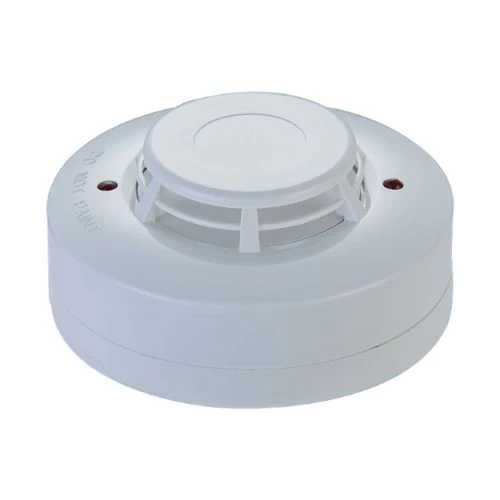
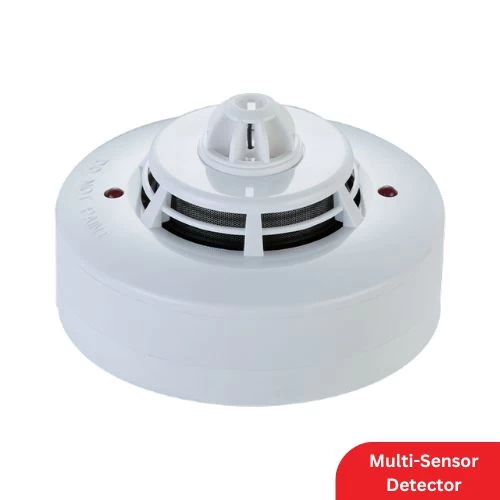
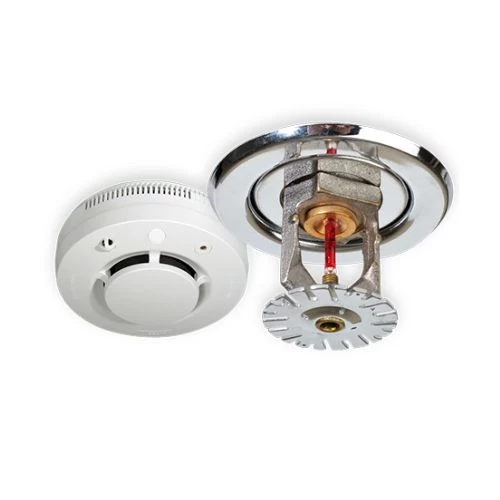
A heat detector is a fire safety device that senses a rise in surrounding temperature and triggers an alarm signal when the heat crosses a set threshold. Unlike smoke detectors that react to smoke particles, heat detectors respond purely to temperature changes, making them suitable for areas where smoke-based detection may cause frequent false alarms.
These detectors are commonly installed in kitchens, garages, boiler rooms, and industrial spaces where dust, steam, or cooking fumes are regularly present. Heat detectors work either by sensing a fixed temperature limit or by detecting a rapid rise in temperature over a short period. Since they do not react to smoke or dust, they offer more reliable performance in environments where other detector types may not function accurately.
How Does a Heat Detector Work?
A heat detector functions through temperature-sensing technology in a few clear steps:
- The detector continuously monitors the surrounding air temperature within its coverage area
- A fixed temperature heat detector triggers an alarm once the temperature crosses a preset limit, usually around 57°C to 70°C
- A rate-of-rise heat detector triggers an alarm when temperature increases rapidly within a short time span
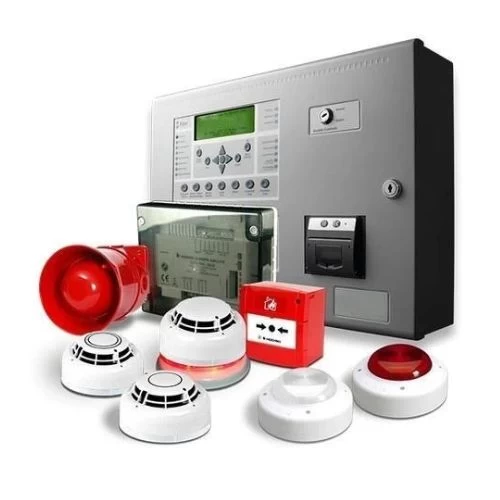
- Once triggered, the detector sends a signal to the connected fire alarm control panel
- The control panel activates sirens, strobe lights, or connected emergency systems
- Some detectors also send alerts to a monitoring station or mobile app for immediate response
- The system resets automatically or manually after the area cools down and is inspected
This temperature-based detection allows quick response even in areas where smoke detectors may not work well.
Key Features of Heat Detector
When choosing a heat detector, these features matter for reliable fire safety performance:
- Fixed temperature sensing that triggers at a preset heat threshold
- Rate-of-rise detection that responds to sudden rapid temperature increases
- Dual sensing technology
- Wide temperature range coverage
- Low false alarm rate
- Fire alarm panel compatibility
- Durable heat-resistant casing
- LED status indicator
- Easy ceiling or wall mounting
- Long service life with minimal maintenance requirements
These features make heat detectors a reliable choice for areas prone to smoke or dust interference.
Heat Detector for Different Uses
Buyers often search for heat detectors based on their specific installation area and fire risk level. Here are common use cases:
- For kitchens and cooking areas
- For garages and workshops
- For boiler rooms and utility spaces
- For industrial units
- For server rooms
- For warehouses and storage facilities
- For residential attics and basements
Choosing the right detector depends on the installation environment and expected temperature conditions.
Benefits of Using Heat Detector
A heat detector offers several practical advantages for fire safety management:
- Provides early warning of fire risk through temperature-based detection
- Reduces false alarms in areas with smoke, dust, or steam interference
- Works reliably in kitchens, garages, and industrial spaces
- Integrates smoothly with existing fire alarm control panels
- Offers long-term durability with minimal maintenance needs
- Suitable for both residential and commercial fire safety systems
- Helps meet fire safety compliance requirements for buildings
- Detects fire risk quickly in areas unsuitable for smoke detectors
- Improves overall building safety alongside other fire detection devices
- Adds a reliable layer of protection in high-heat environments
These benefits make heat detectors an important part of a complete fire safety strategy.
Who Should Choose a Heat Detector?
A heat detector suits a wide range of users and property types:
- Homeowners
- Building administrators
- Factory and industrial site managers
- Warehouse operators
- Restaurant and commercial kitchen owners
- Facility managers
- Server room administrators
If reliable detection in smoky or dusty environments matters to your property, a heat detector is a strong choice.
How to Choose the Best Heat Detector?
Keep these points in mind before buying a heat detector:
- Check detection type
- Check temperature threshold
- Check coverage area
- Check fire panel compatibility
- Check build material
- Check installation type
- Check certification standards
- Check maintenance requirements
- Check brand warranty
These checks help you select a heat detector that matches your fire safety requirements accurately.
Why Buy a Heat Detector from Compurent?
Compurent offers a reliable range of heat detectors from trusted brands, making it easy to find a device suited to your home, kitchen, or industrial space. Every product listing includes clear specifications and honest pricing, helping buyers compare and decide with confidence.
Shop your heat detector today at Compurent and strengthen fire safety across your property.